Nine properties, described the way a guide should describe them
Grand Sea Arena is a quiet, independent guide to nine hospitality properties. Each one is written up the same way — its setting, its rooms, its dining, its public space and the land around it — so a reader can compare them at a glance without ever being sold anything.
The guide holds no availability, lists no rates and takes no bookings. When a description has done its job, the reader is sent straight to the property's own official listing page, where the details that matter live.
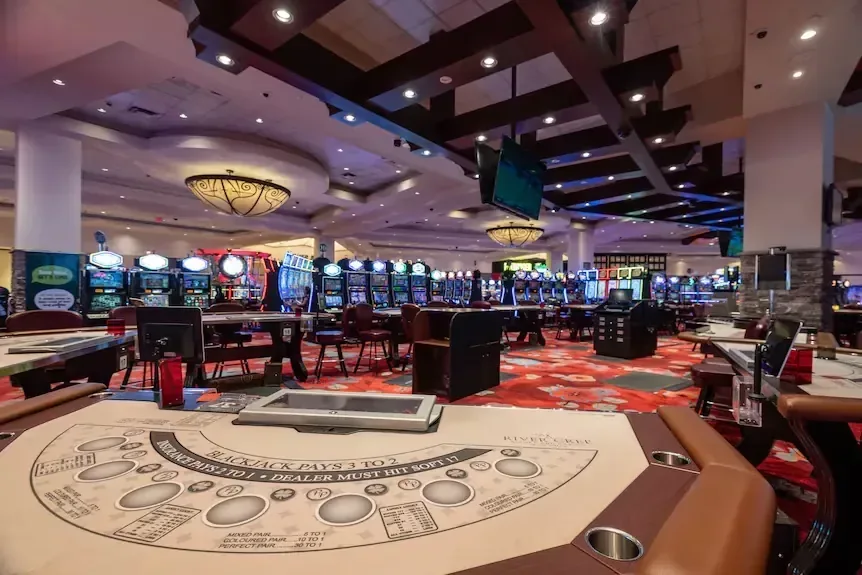
Three ways into the guide
The nine properties are gathered three ways: by scale, by character and by history. Each entry in the catalog ends at the property's own official listing page.

Quiet Finds
The smaller, less obvious properties — the ones that stand out for their setting and character rather than their scale.
Browse the collection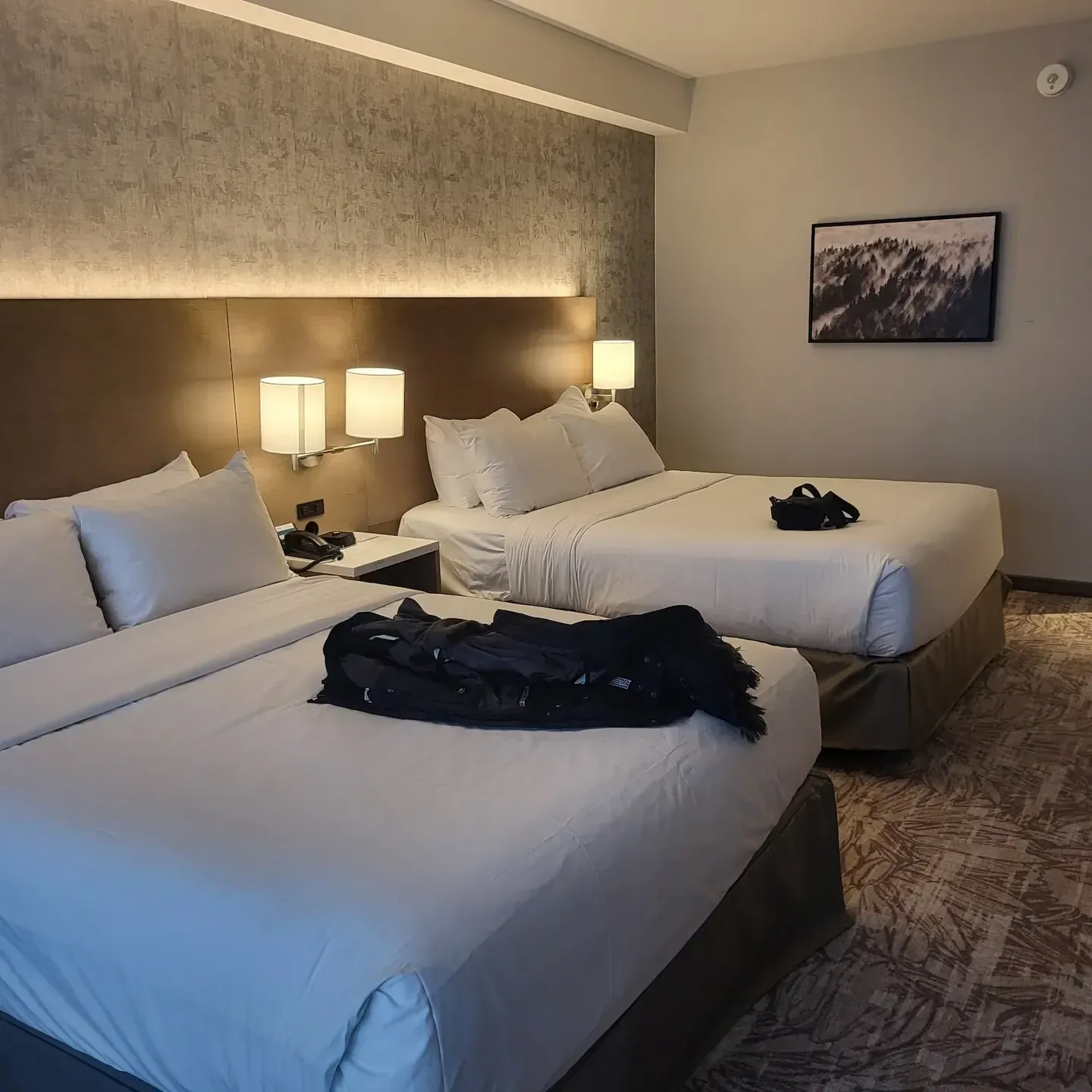
Featured Highlights
A rotating selection drawn from across the whole guide, presented for information rather than as a ranking.
Browse the collection
Buildings With a Past
Properties whose architecture or history is the reason to notice them in the first place.
Browse the collectionA quiet reference, kept steady
This guide exists to make a set of properties easier to understand, not easier to book. Every entry is written with the same structure, the same restraint and the same standard of verifiable fact.
Nothing on this site is measured against a score, a ranking or a budget. Entries do not compete with one another; they sit side by side so a reader can weigh what each place actually offers. When a detail changes at a property, the official listing page says so first, and the guide defers to it.
The result is a reference you can read quickly and return to without fuss. No urgency, no persuasion and no countdowns — just a consistent account of what a place is, written once and kept steady.
Arrival notes
Read the setting first
Every entry opens with the ground around the property: river, plains, mountain or street. Where a place sits usually explains more about a stay than what it contains.
Then the rooms
Room notes stick to what the official listing confirms about the property as a whole. Exact room counts, categories and layouts are left to that listing, where they are kept current.
Dining and public space
Each entry notes where a property feeds its visitors and where it gathers them — the tables, the lobbies, the floors — described by character rather than by menu.
End at the listing page
The last thing the guide does is hand the reader to the property's own official listing, where dates, availability and the current rules always live.
What readers say about the guide
A few notes from the people who use it.
I found the site quick to read and free of clutter. Every page gives you the shape of a property and then gets out of the way.
Adrian C.
The structure was easy to follow, and the entries were easy to compare side by side. I could tell in a minute which kind of place each one was.
Douglas V.
I liked that every property is described the same way. Nothing feels oversold, and the pages read the same from top to bottom.
Faye K.
What a stay usually includes
Across the nine properties in this guide, a stay tends to resolve into four things. The entries describe each one in the same order, so nothing gets left out and nothing gets padded.
Arrival
How the property meets a visitor — the approach, the desk, the first impression a building makes on the ground.
Rooms
The character of the rooms and suites, described from the property's own listing rather than from assumption.
Dining
Where the property feeds people — casual or full-service, on the house or on the floor — and what that tells you about the day.
Surroundings
The river, the plains, the mountain or the street just outside the door, and what it means for a longer visit.